
Peel ply, spray grit, raw carbon, and hybrid surface textures are not just spin technologies. For OEM and private-label pickleball paddle buyers, surface choice affects durability, claims, cost, sample approval, QC risk, and customer complaints after launch.
If you are building a paddle line for Amazon, Shopify, clubs, academies, distributors, or premium retail, the question is not simply “which surface creates more spin?” The better sourcing question is: which surface fits the channel, price point, product claim, and quality-control plan?
For carbon-focused product development, review Joying’s carbon fiber pickleball paddle manufacturing page. If you already have a target texture, core thickness, and price range, request a custom paddle quote.
Quick comparison: peel ply vs spray grit vs hybrid texture
| Surface type | Buyer advantage | Main risk | Best-fit product line |
|---|---|---|---|
| Peel ply raw carbon | Strong premium story, textured carbon feel, good fit for control and spin positioning. | Needs careful surface consistency, realistic spin claims, and sample-to-bulk control. | Premium private-label, carbon control, and all-court paddles. |
| Spray grit | Lower-cost way to create a rougher surface and visible spin story. | Grit can wear unevenly; aggressive claims may create complaint or compliance risk. | Entry to mid-range models where price and quick visual positioning matter. |
| Hybrid texture | Can balance cost, spin feel, durability, and brand differentiation. | Requires clearer testing because the construction is easier to over-market. | Brands that want a differentiated model without relying on one simple surface claim. |
| Textured carbon variants | Useful for premium material storytelling and buyer education. | Material name alone does not guarantee performance or long-term consistency. | Premium carbon line extensions and performance-oriented private-label projects. |
Why surface texture matters for B2B buyers
Players usually talk about spin. Buyers need to think wider. A paddle surface affects how the product is positioned, how it is photographed, what claims appear on packaging, how samples are approved, and whether the bulk order matches the approved sample.
This matters because spin language can create risk. If a brand promises too much, customers may complain when the surface wears down or does not perform like the product page suggests. A safer OEM brief should define the surface process, intended channel, durability expectation, and claim language before sampling.
Peel ply raw carbon: premium positioning with QC responsibility
Peel ply raw carbon is often used when a buyer wants a more premium paddle story. It can support a textured carbon feel and works well for brands that want to emphasize control, surface consistency, and a higher-value material narrative.
The sourcing risk is consistency. Buyers should not approve a peel ply paddle from one attractive sample alone. Request multiple samples, compare surface feel, check visual uniformity, test playability over time, and confirm the bulk production tolerance.
Spray grit: accessible spin story with wear-risk control
Spray grit is easier to understand: a rougher coating is applied to the paddle face to create a more textured surface. It can be useful for entry or mid-range lines because it creates a simple visual and marketing story.
The risk is durability and claim control. If the grit wears unevenly, the customer may perceive the paddle as lower quality. Buyers should ask how the surface is applied, how it is tested, how many hits or abrasion cycles it can tolerate, and what language is safe to use on the product page or packaging.
Hybrid texture: useful, but only if the factory can explain it
Hybrid texture can be commercially useful when a brand wants differentiation without relying only on peel ply or spray grit. But buyers should be careful with vague terms. “Hybrid” should not become a label that hides unclear construction.
Ask the supplier to explain the material, surface process, expected feel, durability check, and cost impact. If the explanation is not clear, the sales team will struggle to explain it to customers.
How to choose by sales channel
- Amazon or Shopify private-label line: prioritize simple claims, clean comparison photos, stable margin, and lower complaint risk.
- Premium DTC brand: peel ply or advanced textured carbon can support a stronger story, but sample testing and packaging wording must be disciplined.
- Club or academy programs: prioritize durability, predictable feel, and reorder consistency over aggressive spin claims.
- Distributor catalog: build a good-better-best surface ladder so buyers can compare price and positioning quickly.
- Tournament-oriented product line: leave more time for testing, approval review, and claim control.
QC checklist before approving a paddle surface
- Compare multiple samples, not only one perfect display sample.
- Check surface consistency across the face and between paddles.
- Run abrasion or play-test checks before confirming marketing claims.
- Confirm sample-to-bulk tolerance for weight, texture, sound, and face finish.
- Review packaging language to avoid unsupported spin, approval, or durability claims.
- Confirm whether the surface process affects lead time, MOQ, cost, or defect rate.
- Document final surface specification in the purchase order and QC checklist.
What OEM buyers should include in the RFQ
A clear RFQ should define the face material, surface process, core thickness, construction method, target weight, paddle shape, handle length, grip circumference, packaging format, and intended sales channel.
For a private-label paddle line, also include the target retail price and whether the product will be sold as an entry, mid-range, or premium model. The same texture choice can be right or wrong depending on the price and customer expectation.
FAQ: pickleball paddle surface texture
Is peel ply better than spray grit for pickleball paddle spin?
Peel ply is often better for a premium textured-carbon story, while spray grit can be useful for lower-cost spin positioning. The better choice depends on target price, durability requirement, surface consistency, and claim language.
Which paddle texture is more durable for private-label products?
Durability depends on the exact construction and QC process. Buyers should test sample-to-bulk consistency, abrasion resistance, and customer-use scenarios before approving a surface claim.
Can spray grit be used on carbon fiber paddles?
It can be used in some constructions, but buyers should confirm compatibility, adhesion, surface feel, durability, and how the finished product will be described in packaging and sales copy.
What should OEM buyers test before approving paddle surface texture?
Test surface consistency, spin feel, abrasion resistance, weight tolerance, edge finish, sound, packaging claims, and whether bulk production matches the approved sample.
The sourcing takeaway
Peel ply, spray grit, and hybrid textures can all work. The correct choice depends on the product line, customer, price point, and claim risk. For B2B buyers, the goal is not to choose the most aggressive spin phrase. The goal is to choose a surface that can be sampled, produced, explained, and reordered consistently.
For additional material planning, read Joying’s carbon fiber paddle OEM spec brief and the pickleball paddle materials guide.
Planning a private-label paddle line? Send Joying your target price, surface preference, core thickness, and sales channel. We can help compare peel ply, spray grit, and hybrid texture options before sampling.
In the competitive world of pickleball manufacturing, “Spin” is the currency of the realm. Players are obsessed with RPM (Revolutions Per Minute). But for B2B brand owners, the challenge isn’t just creating spin—it’s keeping it.
We often get asked by our OEM clients: “Should I choose Peel Ply Raw Carbon or the cheaper Spray Grit?”
As a premier factory, we believe the answer lies in understanding the physics of both—and then looking forward to the new Hybrid Nano-Texture technology that combines the best of both worlds.
1. The “Cheap” Fix: Spray Grit (Sandpaper Paint)
Spray Grit involves spraying a clear coat mixed with quartz sand or glass beads onto the paddle face.
- The Pro: It creates massive friction right out of the box. It’s cheap to manufacture.
- The Con: It is temporary. Like sandpaper, the grit particles are merely “sitting” on top of the surface. After 20-30 hours of play, ball impact knocks these particles loose.
- The Verdict: Great for entry-level paddles ($50 range), but a reputation killer for premium brands.
2. The Industry Standard: Peel Ply (Raw Carbon)
This is the current gold standard for high-end T700 Raw Carbon Fiber texture.
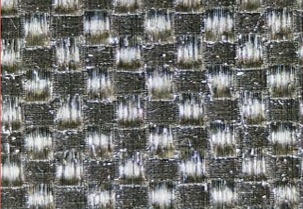
Peel Ply is a fabric layer placed over the wet epoxy/carbon layup. After curing, this fabric is ripped off (peeled), leaving behind a textured imprint in the resin itself.
- The Pro: The texture is part of the paddle’s structure, not an additive coating. It offers consistent spin and excellent “grab.”
- The Con: While durable, the epoxy ridges can eventually smooth out over 6+ months of intense play.
- The Verdict: The safe choice for most pro-level paddles today.
3. The Revolution: Hybrid Nano-Texture (The “Six Zero” Style Tech)
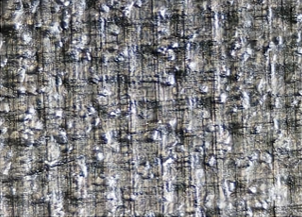
This is where Joying Pickleball is changing the game. We have developed a proprietary Hybrid Nano-Texture surface that solves the durability issue once and for all.
Similar to the acclaimed technology used by brands like Six Zero (Coral series), our process doesn’t just choose between Peel Ply or Grit—we fuse them.
How We Manufacture It:
Instead of spraying grit on top, we mix specialized ceramic nano-particles into the resin matrix before the Peel Ply process.
- Impregnation: The nano-grit is chemically bonded within the T700 carbon fibers.
- Structuring: We apply the Peel Ply fabric to create the macro-texture.
- Curing: When the paddle cures, the grit is locked inside the structure.
Why B2B Clients Are Switching to Hybrid:
- Permanent Spin: Even if the surface resin wears down, new embedded particles are exposed. This is truly a long lasting pickleball paddle surface.
- No “Smooth Spots”: Unlike spray grit, you won’t see bald spots on the sweet spot after a month.
- Premium Feel: It offers a unique, gritty tactile feel that players associate with high-value gear.
The Microscope Test: Seeing is Believing
We put all three surfaces under a 500x microscope after a simulated 50-hour abrasion test.
| Surface Type | After 50 Hours | Spin Retention |
| Spray Grit | Smooth, particles detached | < 60% |
| Standard Peel Ply | Valleys flattened slightly | ~ 75% |
| Joying Hybrid Nano | Texture intact, grit visible | ~ 90% |
Conclusion: Upgrade Your OEM Paddle Line
The market is moving away from disposable spray grit. If you want to build a brand known for quality and performance, you need the latest OEM pickleball paddle surface technology.
At Joying Pickleball, we are ready to apply this Hybrid Nano-Texture to your custom molds (Thermoformed or Cold Pressed).
Don’t let your brand’s reputation wear out.
Pickleball Brand & Sourcing Guides
Building or sourcing your own paddle line? These in-depth guides cover the strategy and manufacturing behind a successful pickleball brand:
- Carbon Fiber vs Fiberglass Pickleball Paddles: Which to Private-Label?
- OEM Pickleball Paddle MOQ, Tooling & Sampling: The Process Explained
Ready to talk specifications and MOQ? Request a custom paddle quote → or contact our sourcing team.
2026 USA Pickleball spin-rate planning
For OEM and private-label paddle buyers, surface texture is no longer only a performance decision. It also affects durability, batch consistency, certification risk, and the claims a brand can safely make. Beginning October 1, 2026, new paddles submitted for USA Pickleball approval must meet a measured spin rate of 2,100 RPM or less. Texture names describe a production direction; they do not guarantee one fixed result.
Before approving a texture, confirm the intended approval path, sample-to-bulk QC method, wear evaluation, and master-sample procedure. Review the USA Pickleball 2,100 RPM OEM guide and discuss the final texture with our custom pickleball paddle OEM & ODM team.