
How to Choose a Pickleball Paddle in 2026: 16mm vs 14mm, Core, Face & Shape

How to Choose a Pickleball Paddle in 2026: 16mm vs 14mm, Core, Face & Shape To choose a pickleball paddle in 2026, start with core thickness (16mm for control, 14mm for power), then face material (carbon for spin, fiberglass for value), shape (elongated for reach, standard for balance), and grip size. Joying Pickleball, a B2B […]
Gen 4 Foam Core vs Polymer Honeycomb: Which Pickleball Paddle Core Is Right for You?

Gen 4 Foam Core vs Polymer Honeycomb: Which Pickleball Paddle Core Is Right for You? A full-foam (Gen 4) core fills the paddle edge-to-edge with a single density of foam, while a polymer honeycomb core uses hexagonal cells. Foam cores reduce edge dead spots and resist crushing; honeycomb cores are lighter and deliver a familiar […]
Foam Core, KineticFrame, HexGrit: A Manufacturer’s Look at 2026 Pickleball Paddle Tech
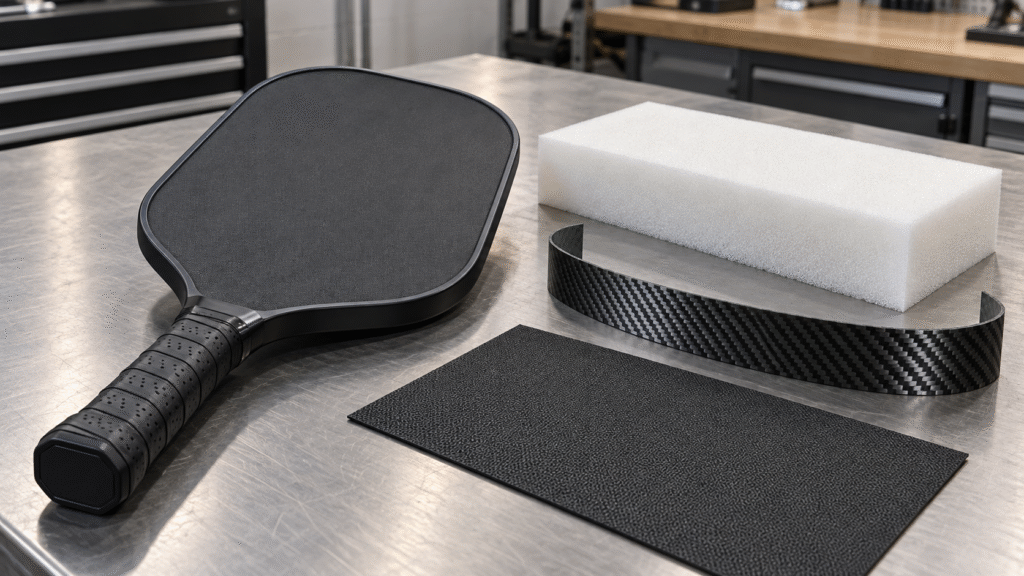
Featured image is an AI-generated conceptual materials illustration, not a photograph of a specific product or manufacturing test. Foam Core, KineticFrame, HexGrit: A Manufacturer’s Look at 2026 Pickleball Paddle Tech From the factory floor, 2026 is defined by three shifts: full-foam cores replacing honeycomb, flexible frames that store energy (JOOLA’s KineticFrame), and durable-grit surfaces that […]
Raw Carbon vs Fiberglass vs Graphite: Pickleball Paddle Face Materials Explained
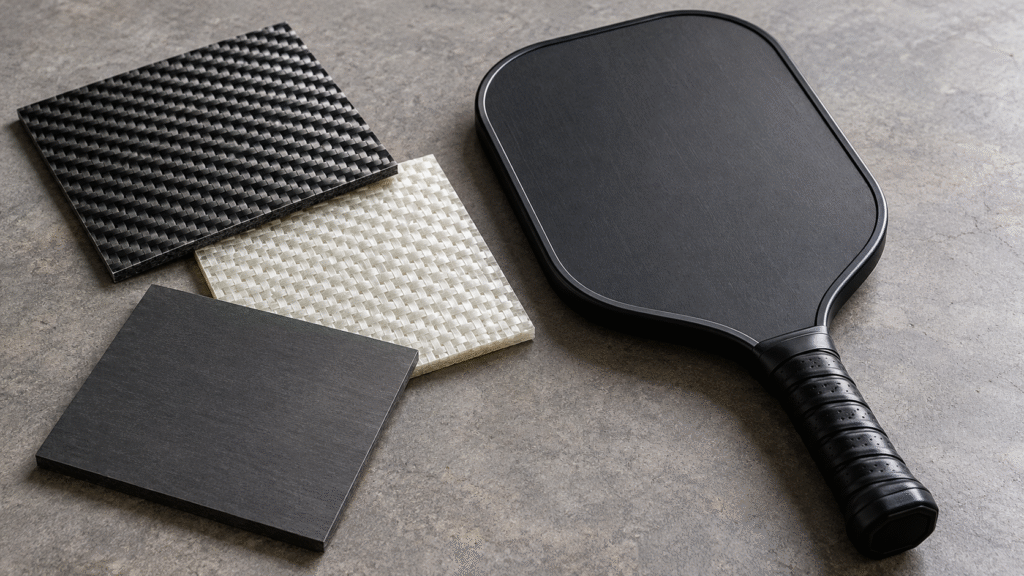
Featured image is an AI-generated conceptual materials comparison; fiber grades cannot be identified from appearance alone. Raw Carbon vs Fiberglass vs Graphite: Pickleball Paddle Face Materials Explained Pickleball paddle faces are usually made from fiberglass, graphite, or carbon fiber (including raw carbon). Carbon fiber generates the most spin and lasts longest but costs the most; […]
USA Pickleball’s New 2100 RPM Spin Rule: What It Means for Paddle Buyers in 2026
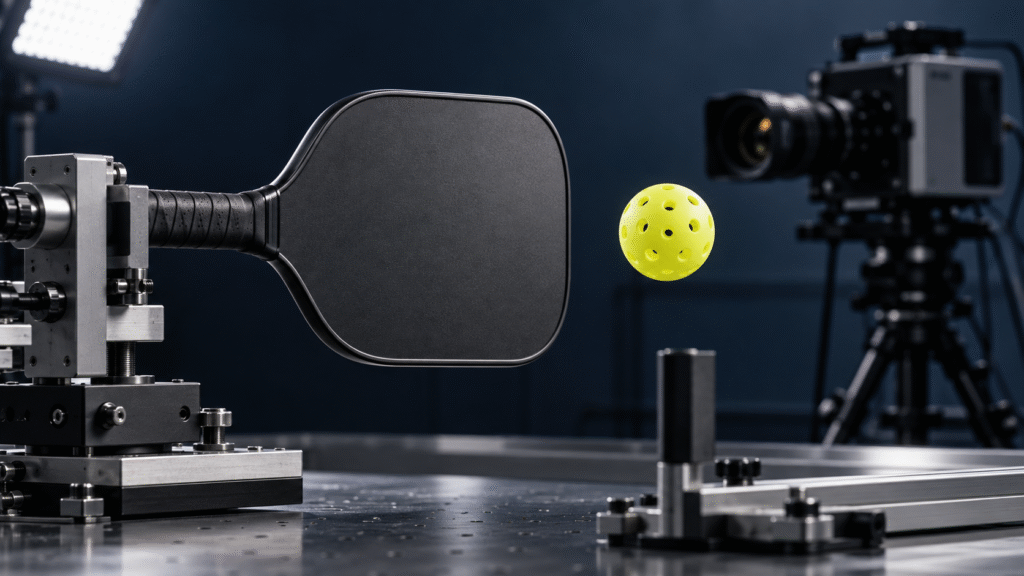
Featured image is an AI-generated conceptual test scene, not an official USA Pickleball certification test or result. USA Pickleball’s New 2100 RPM Spin Rule: What It Means for Paddle Buyers in 2026 On October 1, 2026, USA Pickleball replaced its old surface-roughness test with a direct spin-rate test capped at 2,100 RPM. For buyers, this […]
Pickleball Paddle MOQ: What New Brands Need to Know in 2026
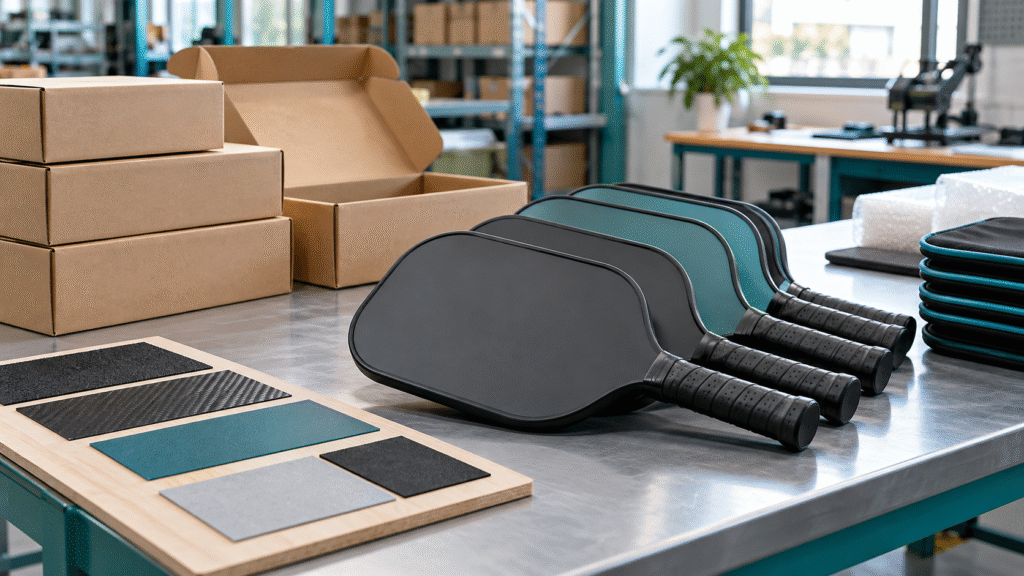
Joying paddle orders start at 100 pieces. Learn how MOQ affects unit cost, tooling, model mix, and customization for a new pickleball brand.
Gen 4 Full-Foam vs Thermoformed Pickleball Paddles: A Technical OEM Guide
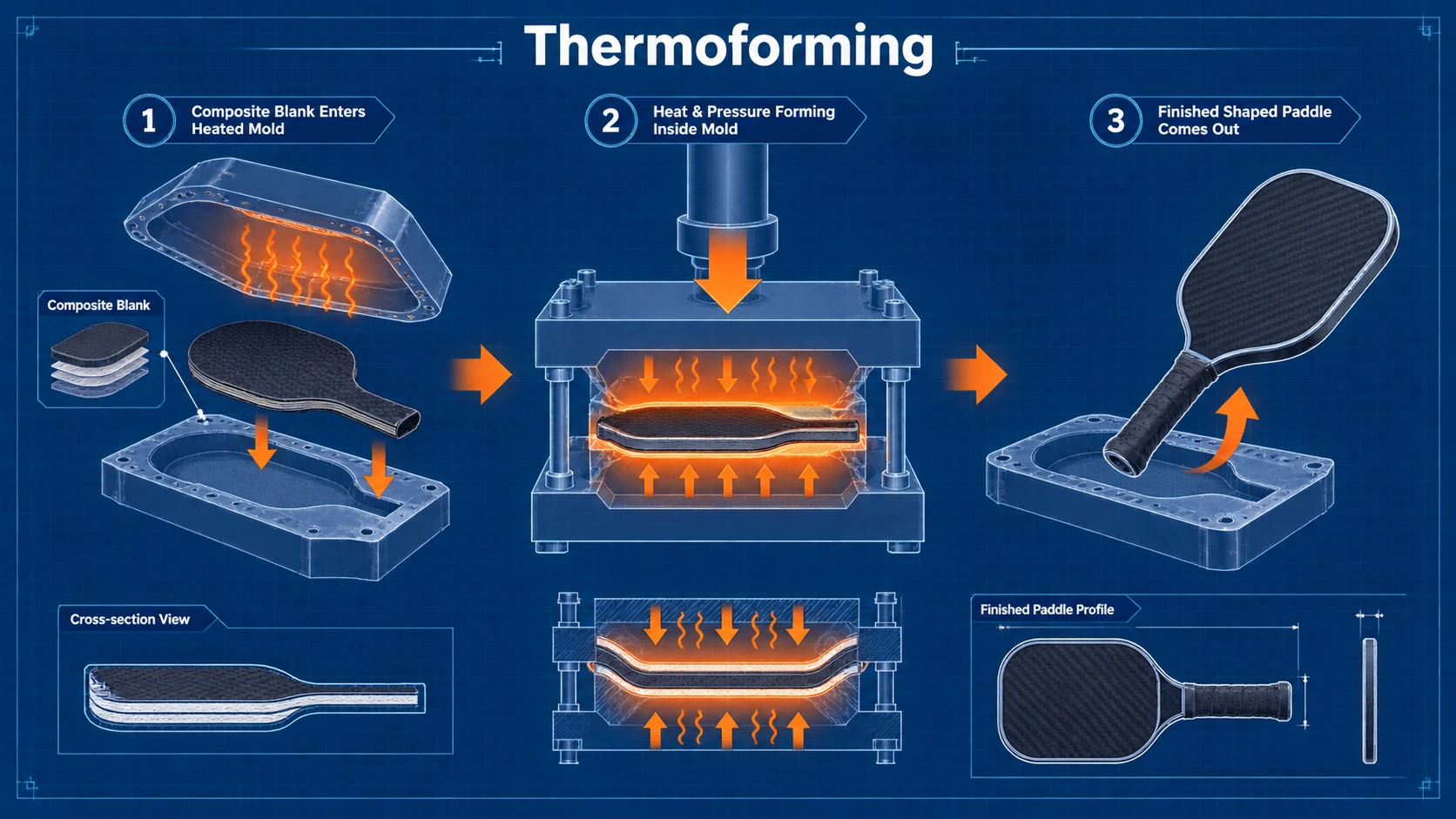
Compare full-foam and thermoformed pickleball paddle construction by core, edge, face, weight, balance, durability, testing and sample approval for OEM programs.
3K vs T700 Carbon Fiber Pickleball Paddles: What OEM Buyers Should Validate
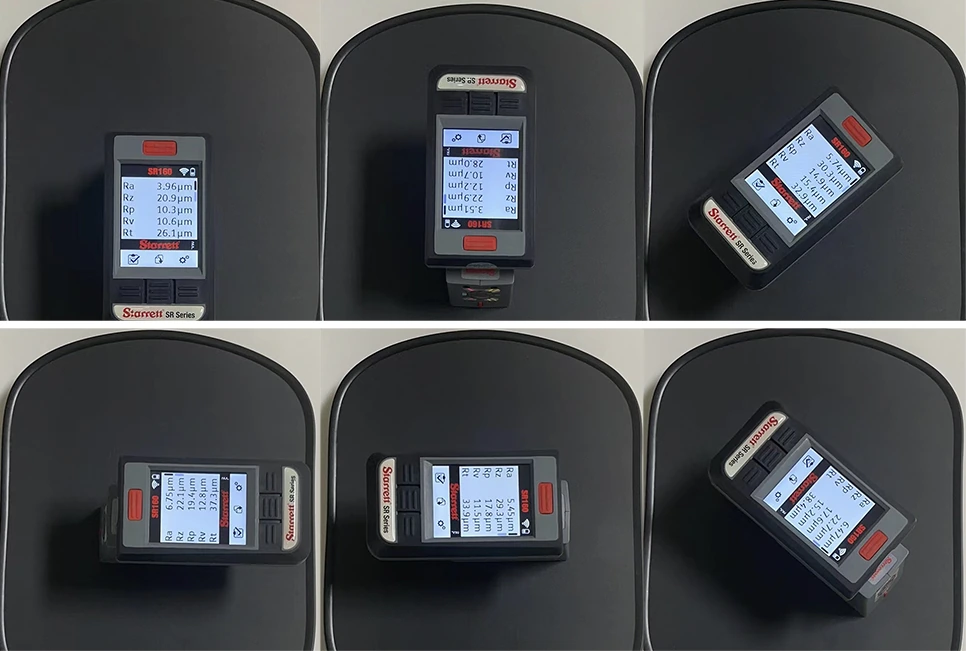
Compare 3K and T700 carbon fiber paddle labels without overclaiming. Learn how weave, fiber grade, layup, resin, texture, core and QC shape an OEM sample.
How to Choose a Pickleball Paddle Construction for Private Label: Face, Core, Texture and Thickness

A practical specification guide for brands choosing the construction, materials, and product architecture of a private-label pickleball paddle.
USA Pickleball’s 2,100 RPM Spin Rate Rule: What OEM Paddle Brands Need to Prepare for 2026

USA Pickleball’s new spin-rate test changes how private-label and OEM paddle programs should plan surface texture, QC, samples, and certification.