The Spin Wars: Finding the Holy Grail of Surfaces
In the competitive world of pickleball manufacturing, “Spin” is the currency of the realm. Players are obsessed with RPM (Revolutions Per Minute). But for B2B brand owners, the challenge isn’t just creating spin—it’s keeping it.
We often get asked by our OEM clients: “Should I choose Peel Ply Raw Carbon or the cheaper Spray Grit?”
As a premier factory, we believe the answer lies in understanding the physics of both—and then looking forward to the new Hybrid Nano-Texture technology that combines the best of both worlds.
1. The “Cheap” Fix: Spray Grit (Sandpaper Paint)
Spray Grit involves spraying a clear coat mixed with quartz sand or glass beads onto the paddle face.
- The Pro: It creates massive friction right out of the box. It’s cheap to manufacture.
- The Con: It is temporary. Like sandpaper, the grit particles are merely “sitting” on top of the surface. After 20-30 hours of play, ball impact knocks these particles loose.
- The Verdict: Great for entry-level paddles ($50 range), but a reputation killer for premium brands.
2. The Industry Standard: Peel Ply (Raw Carbon)
This is the current gold standard for high-end T700 Raw Carbon Fiber texture.
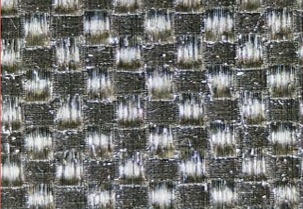
Peel Ply is a fabric layer placed over the wet epoxy/carbon layup. After curing, this fabric is ripped off (peeled), leaving behind a textured imprint in the resin itself.
- The Pro: The texture is part of the paddle’s structure, not an additive coating. It offers consistent spin and excellent “grab.”
- The Con: While durable, the epoxy ridges can eventually smooth out over 6+ months of intense play.
- The Verdict: The safe choice for most pro-level paddles today.
3. The Revolution: Hybrid Nano-Texture (The “Six Zero” Style Tech)
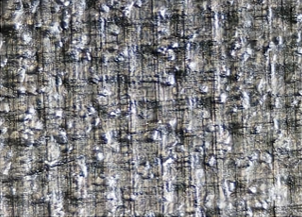
This is where Joying Pickleball is changing the game. We have developed a proprietary Hybrid Nano-Texture surface that solves the durability issue once and for all.
Similar to the acclaimed technology used by brands like Six Zero (Coral series), our process doesn’t just choose between Peel Ply or Grit—we fuse them.
How We Manufacture It:
Instead of spraying grit on top, we mix specialized ceramic nano-particles into the resin matrix before the Peel Ply process.
- Impregnation: The nano-grit is chemically bonded within the T700 carbon fibers.
- Structuring: We apply the Peel Ply fabric to create the macro-texture.
- Curing: When the paddle cures, the grit is locked inside the structure.
Why B2B Clients Are Switching to Hybrid:
- Permanent Spin: Even if the surface resin wears down, new embedded particles are exposed. This is truly a long lasting pickleball paddle surface.
- No “Smooth Spots”: Unlike spray grit, you won’t see bald spots on the sweet spot after a month.
- Premium Feel: It offers a unique, gritty tactile feel that players associate with high-value gear.
The Microscope Test: Seeing is Believing
We put all three surfaces under a 500x microscope after a simulated 50-hour abrasion test.
| Surface Type | After 50 Hours | Spin Retention |
| Spray Grit | Smooth, particles detached | < 60% |
| Standard Peel Ply | Valleys flattened slightly | ~ 75% |
| Joying Hybrid Nano | Texture intact, grit visible | ~ 90% |
Conclusion: Upgrade Your OEM Paddle Line
The market is moving away from disposable spray grit. If you want to build a brand known for quality and performance, you need the latest OEM pickleball paddle surface technology.
At Joying Pickleball, we are ready to apply this Hybrid Nano-Texture to your custom molds (Thermoformed or Cold Pressed).
Don’t let your brand’s reputation wear out.